


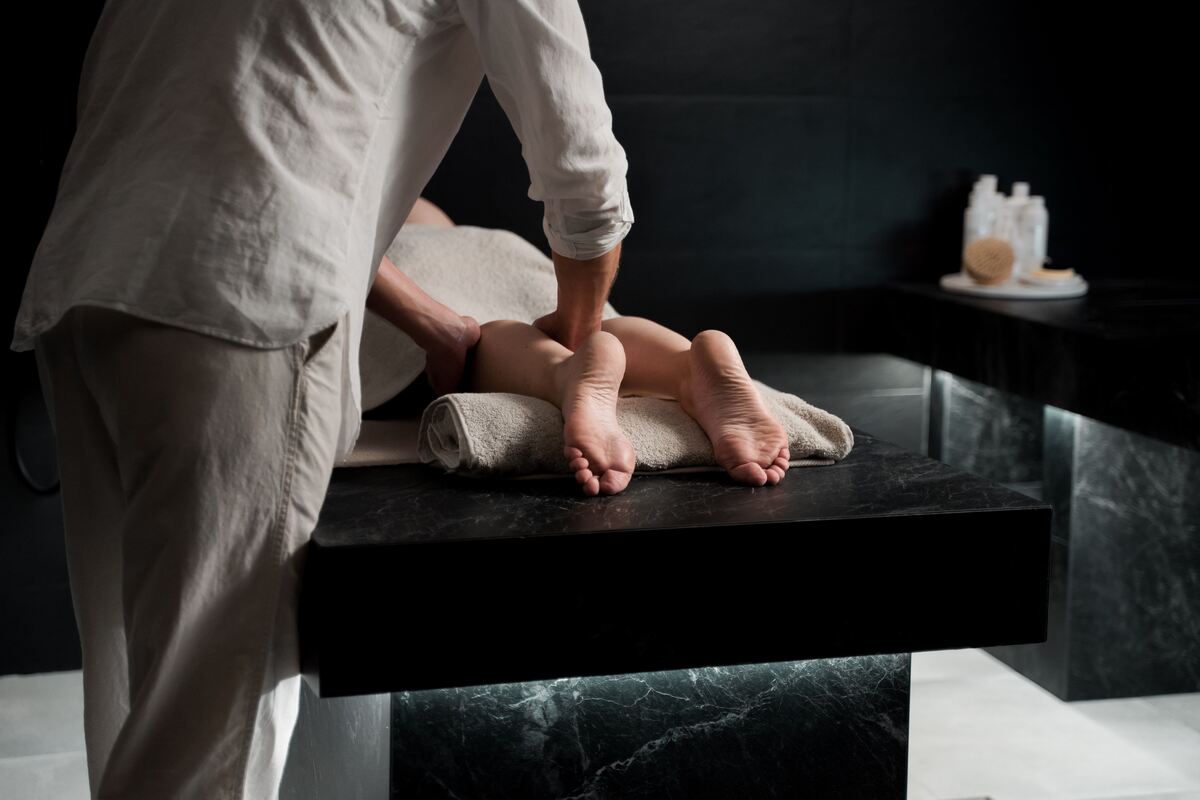
Gangnam todaki is a search term used by some Korean businesses advertising women-focused massage services in Seoul’s Gangnam area; it should not be assumed to name a standardized wellness treatment. If you’re exploring it from the United States, start by checking what each provider actually offers rather than relying on the label. This article explains the term, separates realistic relaxation goals from marketing promises, and helps you plan a comfortable experience without unnecessary spending or guesswork. Obtain the Best information about 강남토닥이.
What is Gangnam todaki, and what does the term actually mean?
In the commercial pages reviewed for this article, gangnam todaki refers to women-focused massage offerings associated with Gangnam, including services advertised with male practitioners. Some providers describe visiting clients rather than receiving them at a conventional spa. Those descriptions establish how particular businesses use the phrase, not a universal definition, professional credential, or guarantee of service quality.
That distinction matters. Before you picture a particular room, technique, or treatment, ask the business to describe the appointment in plain language. A search phrase alone cannot tell you whether you’re considering a staffed spa, an independently arranged visit, or something that doesn’t match your expectations.
Treat the name as a starting point
For your own planning, separate three things: the search term, the business, and the actual service. You might discover a provider through one phrase, but your decision should rest on its identity, practitioner information, written service description, and booking conditions.
Try this simple exercise before browsing further. Write one sentence describing what you want without using the words “todaki,” “luxury,” or “wellness.” For example: “I want a professional relaxation massage in a staffed location where I can communicate comfortably in English.”
That sentence is more useful than a page full of appealing adjectives. It gives you something concrete to compare against each listing and helps you notice when an advertisement answers a different question.
Keep the cultural claims modest
Don’t assume that something advertised in Korea is an ancient Korean practice. Likewise, don’t treat a commercial massage label as interchangeable with Korean bathhouse culture. Korea’s tourism organization describes a jjimjilbang as a Korean sauna experience, which is a different starting point from an individually booked massage appointment.
You don’t need to settle every detail of terminology before enjoying time off. You do need a clear agreement about the service you’re purchasing. When a description remains vague after a direct question, keep looking rather than filling in the blanks yourself.
Match the experience to your actual goal
Start with the result you want from the appointment, not the treatment name. Perhaps you want quiet after sightseeing, prefer a private room, or simply want an hour without checking your phone. Write down your priorities before comparing options so that attractive photos don’t make every listing seem equally suitable.
A useful shortlist should explain both what appeals to you and what still needs checking. “Looks relaxing” belongs in the first column. “Has a private room and an English-speaking practitioner” belongs in the second until the business confirms it.
| Your priority | An option to investigate | What to confirm |
|---|---|---|
| A private massage appointment | A staffed spa or clearly identified massage practice | Practitioner background, room privacy, draping, and service boundaries |
| A Korean bathing experience | A jjimjilbang or bathhouse | Bathing rules, clothing requirements, facilities, and admission conditions |
| A specific health concern | A conversation with your healthcare professional | Whether massage is appropriate and what kind of practitioner to seek |
| Time together with a partner | A venue offering suitable shared appointments | Whether rooms are actually shared and whether both guests are eligible |
| A quiet break without touch | A comfortable lounge, quiet room, or personal rest period | Noise, seating, accessibility, and whether a purchase is necessary |
Use this table as a planning tool, not as a promise that any particular Gangnam business offers these arrangements. Send your questions directly to the venue and save its answers.
If you’re unsure, choose the simplest experience that meets your goal. You don’t have to combine massage, bathing, skincare, and heat treatments to justify an afternoon off. For a first visit, consider leaving room to discover what you enjoy before booking a larger package.
Also make space for a no-appointment option. You may arrive in Seoul and decide that what you really want is a quiet meal and an early evening. Build a plan you can adjust without feeling that you’ve failed to have the “right” experience.
What benefits can you reasonably expect?
A reasonable goal is a comfortable, clearly agreed period of rest—not a guaranteed transformation. Massage may offer short-term relief for some kinds of discomfort, but the evidence varies by condition and treatment. Research about massage generally does not establish that a service advertised as gangnam todaki has special or superior health effects.
For your own appointment, define success in ordinary terms. You might want pressure that feels comfortable, enough privacy to settle in, and no need to negotiate unexpected extras. Those are practical expectations you can discuss before paying.
Separate relaxation from medical treatment
Don’t use a massage booking to put off getting a medical problem assessed. The National Center for Complementary and Integrative Health advises discussing suitability with a healthcare professional when you’re unsure and asking prospective practitioners about their training, experience, and credentials.
Keep your booking message equally straightforward. Say that you’re seeking relaxation, or explain that you need to check suitability with your clinician first. You don’t need to accept a provider’s diagnosis or buy a package while deciding what care is appropriate.
For example, replace “Can you fix my back?” with two separate questions: “Is this appointment intended for general relaxation?” and “What training does the practitioner have?” Take the medical question to someone qualified to assess it.
Be cautious with broad wellness promises
Treat phrases such as “complete detox,” “permanent stress removal,” or “guaranteed healing” as reasons to ask for clear evidence, not as benefits to expect. Request an explanation of the actual service: what happens, who performs it, and what limitations the provider acknowledges.
Set your own limits on the word “ultimate,” too. Ultimate relaxation doesn’t have to mean the longest session, strongest pressure, or most expensive room. For this visit, define it as an experience that fits your preferences and respects your decisions.
If the promise sounds impressive but the appointment remains hard to describe, don’t rush. Ask for the ordinary details first. You should be able to explain what you’re buying to a friend without repeating advertising language.
Check the provider before you book
Build a shortlist around information you can verify. Ask for the business name, the appointment location or service arrangement, the practitioner’s relevant background, and a written explanation of what is included. Don’t use attractive photography or confident language as a substitute for those answers.
Keep the process manageable by checking the basics before discussing optional extras. There’s little value in choosing an oil or room upgrade if you still don’t know who will provide the service or where it will happen.
Ask about identity, training, and service scope
Send a short, direct message rather than a long personal introduction. Explain what you’re looking for, then ask the questions that determine whether the provider belongs on your shortlist.
- Business identity: What is the business’s full name, and how can I confirm I’m communicating with it?
- Appointment setting: Is this a staffed venue or a visiting service? Where will the appointment take place?
- Practitioner background: What relevant training and experience does the practitioner have?
- Service scope: What exactly happens during the session, and what is not offered?
- Guest eligibility: Are there restrictions that would affect my booking?
- Language support: Can the practitioner understand requests to reduce pressure, pause, or stop?
Ask follow-up questions when an answer introduces another unclear term. If a provider mentions a diploma, request its name and issuing organization rather than assuming it means what a similarly named credential would mean in the United States.
Also state your intended service boundaries explicitly. If you want an ordinary, nonsexual relaxation massage, say so and request confirmation. Don’t rely on suggestive wording, assumptions about the term, or a salesperson’s vague reassurance.
Read reviews as supporting information
Use more than one source when checking reviews. The US Federal Trade Commission recommends looking at recency, reviewer history, and unusual bursts of feedback, while warning that appearance alone cannot reliably distinguish genuine reviews from fake ones.
For your shortlist, look for information relevant to your own needs. A detailed account of booking communication may help you form a question. A photo of a room may prompt you to ask whether it shows the current location. Neither should replace direct confirmation.
Read negative feedback with the same care. Identify what the reviewer actually describes, then decide whether it raises an issue you need answered. Avoid treating either a glowing endorsement or a single complaint as the entire picture.
Use a simple comparison sheet
Create four columns: provider, confirmed details, unanswered questions, and decision. Keep claims separate from answers you’ve received directly. This makes it easier to compare a polished listing with a less elaborate one without rewarding presentation alone.
Your decision column can stay basic: “consider,” “ask again,” or “skip.” Don’t invent a scoring system that makes weak information look precise. If a crucial issue remains unanswered, leave the booking open rather than awarding points for unrelated extras.
Confirm the full cost and booking conditions
Before paying, request the final amount in Korean won and a written list of inclusions. Ask separately about anything that could change the bill, including travel, room use, products, facility access, and optional services. For your US-dollar budget, check the conversion close to payment rather than relying on an old estimate.
You don’t need a complicated spreadsheet. You need to know what you’re agreeing to pay, when payment is due, and what happens if plans change.
Clarify the appointment length
Ask whether the advertised duration means hands-on service time or the entire appointment, including consultation, changing, and checkout. Then decide whether that arrangement suits you. Don’t assume two packages offer equal treatment time because their labels show the same number of minutes.
Also ask what happens if either party is late. Would the appointment be shortened, moved, or canceled? Get the answer before organizing the rest of your day around it.
Use this compact cost checklist:
- Total charge and payment currency.
- Included service and appointment duration.
- Any required fees or deposits.
- Rules for optional additions.
- Cancellation and refund conditions.
- Late-arrival policy.
- Accepted payment methods and receipt availability.
- Whether gratuity is expected, optional, or included.
Keep payment decisions separate from pressure
Choose a spending limit before the appointment and decide whether you want to consider extras at all. “No additions today” is a complete instruction. Ask for any proposed change in writing before agreeing to it.
If the quoted total changes, pause the transaction and request an explanation. Compare the new information with your saved booking confirmation. You can decline a revised offer without debating whether the upgrade sounds appealing.
For a visiting appointment, ask exactly when the provider expects payment and what identity confirmation will be available. Don’t infer one business’s policy from another website. Make your decision using the terms of the provider you’re actually considering.
Prepare for the appointment without overcomplicating it
Preparation should help you communicate, not turn relaxation into another project. Save the booking details, select comfortable clothing, and decide which preferences you want to mention. If you have questions about whether massage is suitable for you, address those before the appointment rather than waiting until the practitioner arrives.
Write your essential information in one short note. Include practical requests, not an exhaustive account of your personal life. You can keep sensitive details for an appropriate private conversation.
Make a brief preference note
A useful note might say: “I prefer light pressure, no fragrance, minimal conversation, and a clear explanation before the session begins.” Add any areas you don’t want touched. If a requirement is essential, request written confirmation rather than presenting it as a casual preference.
You can organize the note into three groups:
- Required: Conditions you need to proceed, such as accessible entry or a specific communication arrangement.
- Preferred: Choices that would improve the visit, such as quieter music or a cooler room.
- Not wanted: Services, products, or types of touch you do not agree to receive.
This distinction helps you decide what to do if the venue cannot accommodate something. A missing preference may be acceptable to you. An unmet requirement is a reason to reconsider.
Pack only what the venue requires
Ask what is supplied before packing toiletries, towels, or special clothing. Bring your confirmation, the agreed payment method, and any personal items you need afterward. Keep valuables to a minimum where practical and ask about secure storage.
If access matters, ask specific questions. Can you reach the room without stairs? Is there seating while you wait? Is assistance available, and what does that assistance involve? Describe what you need rather than asking only whether the venue is “accessible.”
Finally, save a practical departure plan. Know how you intend to return to your accommodation and leave yourself a reasonable margin before the next commitment. Choose an appointment you won’t have to rush through just to keep the rest of your schedule intact.
Keep communication clear during the session
Before the session starts, ask the practitioner to confirm the service, duration, privacy arrangements, and agreed boundaries. Make sure you understand how to request a change. If anything differs from your booking, discuss it while you’re still deciding whether to proceed.
Use plain, brief language during the appointment. You don’t have to offer a long explanation for a preference, and you don’t have to wait until the end to mention it.
Use requests that are easy to understand
Prepare a few phrases in English and, if needed, have them translated in writing before the visit. Ask the provider to confirm their meaning. Keep essential requests separate so that a message doesn’t bury “stop” beneath several less urgent preferences.
Useful examples include:
- “Please use less pressure.”
- “Please do not touch this area.”
- “I would like to remain covered.”
- “Please explain before changing the service.”
- “I need a break.”
- “Please stop the session now.”
Don’t use a smile or polite silence as your only way of communicating uncertainty. Say that you’re unsure and ask for a pause. If you want to end the appointment, state that directly rather than trying to phrase it as a hint.
Don’t make discomfort a requirement
You do not need to seek the strongest treatment to make the booking worthwhile. NCCIH reports that massage-related harm appears uncommon, but rare serious adverse effects have occurred, including with vigorous techniques or people at increased risk. Ask your healthcare professional about suitability when needed, and don’t treat pain as proof that a service is working.
If you feel uncomfortable with the service or the practitioner’s response, stop and reassess. Choose your own comfort over finishing a purchased time slot. Afterward, write down any concern while the details are clear, including what you requested and how the provider responded.
How can Korean music fit into a relaxation routine?
Korean music can be part of a personal relaxation setting if you enjoy listening to it, but it is optional—not an essential feature of gangnam todaki. Research on music-based interventions suggests potential benefits in some settings, while ordinary playlist listening should not be confused with professional music therapy. Choose sound for your own comfort rather than expecting a particular genre to deliver a medical result.
For a spa appointment, ask whether you can request quieter music or no music. At home, try a small selection before building a long playlist. Give yourself permission to prefer silence.
Choose by preference, not by a cultural checklist
Explore different recordings of Korean music and note what you actually like about each one. Perhaps you prefer instrumental pieces, a familiar singer, or a gentle soundtrack. Don’t feel obliged to choose something because a playlist describes it as authentic, healing, or ideal for everyone.
Use a simple listening exercise:
- Select three tracks you’re curious about.
- Listen without doing another task.
- Notice whether you want the track to continue, change, or stop.
- Keep only the selections that suit the setting you want.
- Revisit the choices another day rather than declaring the playlist finished.
Keep the volume comfortable. NIH’s music guidance notes that excessive volume can contribute to hearing loss and that particular music can also bring up unwanted emotional reactions. A track that someone else loves does not have to belong in your rest routine.
Keep “Gangnam Style” in its own context
PSY’s “Gangnam Style” belongs to Gangnam’s pop-culture connection, not to a verified massage method. Seoul’s official visitor information includes the Gangnam Style statue among attractions around the World Trade Center and COEX area. Enjoy that cultural connection if it interests you without using it as evidence about a wellness service.
You can enjoy the song, visit a landmark, and still choose a completely quiet appointment. There’s no need to turn every part of a trip into one theme. Keep entertainment choices and provider checks on separate lists.
Plan a realistic break during a Seoul visit
If you’re traveling from the United States, build the appointment around your actual itinerary and comfort needs. Don’t book a tightly timed visit solely because a listing appears near an attraction. Confirm the exact address or meeting arrangement, then check the journey from where you’ll be that day.
For a first booking, consider a time when you can handle questions without rushing. Leave space afterward instead of stacking another fixed reservation immediately behind it. If your arrival plans are uncertain, ask about cancellation conditions before committing.
Keep the day simple
Use this sample sequence as a flexible planning template, not a prescribed wellness schedule:
- Choose one main outing. Pick something you genuinely want to do rather than filling every open hour.
- Allow time for an ordinary meal. Keep your personal preferences and any provider instructions in mind.
- Check the route. Save the location, entrance details, and booking contact.
- Attend the confirmed appointment. Arrive with enough time to review the service without rushing.
- Leave the evening adjustable. Decide afterward whether you want another activity or a quiet night.
If you want a cultural stop near COEX, Seoul’s official guide lists attractions including Starfield Library and the Gangnam Style statue. Check the operating details of individual facilities rather than assuming everything follows the same schedule.
Confirm lodging rules for visiting services
Before arranging any appointment at your accommodation, ask the property whether outside service providers are permitted and what visitor procedures apply. Then confirm the arrangement with the business. Don’t ask either party to work around an undisclosed restriction.
If you’d rather not share your room location, choose a different arrangement. Ask about a staffed venue, or skip the service until you find an option that suits you. You don’t need to accept an appointment format simply because it was the first one advertised.
Keep a trusted person informed of your plans if that would make you more comfortable. Share only the practical details you choose, such as the location and expected finish time. Make privacy and personal comfort part of the booking decision from the start.
Understand bathhouse etiquette before choosing that alternative
If your real interest is Korean bathing culture, research a jjimjilbang separately instead of treating it as another name for todaki. Ask about the layout, changing arrangements, bathing requirements, and areas where clothing is worn. Make sure the experience fits your privacy preferences before buying admission.
Korean bathhouse guidance describes washing before entering shared baths and distinguishes bathing areas from shared clothed relaxation areas. Verify the current rules with your chosen facility, especially if you have questions about swimwear, gendered spaces, or which areas your admission includes.
Ask practical questions before arrival
Make a short facility-specific checklist rather than relying on a generic description:
- Which areas are included in admission?
- Where are guests expected to be clothed or unclothed?
- Are towels, toiletries, and clothing supplied?
- Are treatments booked separately?
- Can you use only the facilities you’re comfortable with?
- What accessibility and guest-entry arrangements apply?
- Where should personal belongings and phones be stored?
Choose not to photograph changing or bathing spaces. Ask permission before taking pictures elsewhere and keep other guests out of your images. You can remember the experience without documenting every room.
Keep extras optional
Ask about additional charges before requesting a treatment or using a paid facility. Korea’s tourism organization notes that subsidiary facilities at jjimjilbangs may cost extra, so don’t assume admission covers every available service.
You can also choose a different kind of break if communal bathing doesn’t appeal to you. There’s no need to prove cultural interest by participating in something that conflicts with your comfort. Learn the rules, make an informed choice, and let that choice be enough.
Create a simple relaxation routine at home
You don’t need to travel or purchase a package to set aside a comfortable period of rest. Create your own routine using ordinary choices about time, sound, seating, and interruptions. Call it a personal relaxation break rather than presenting it as an authentic gangnam todaki treatment.
Keep the goal modest: spend a little time in a setting you’ve chosen, without adding a list of things you must accomplish. The routine below is a practical template, not a treatment for a health condition.
Try a short, adjustable routine
- Choose a stopping point for other tasks. Finish the current message or save your work, then step away. Decide in advance when you’ll return rather than repeatedly checking.
- Prepare one comfortable place. Use a chair, sofa, or other suitable spot you already have. Adjust the light to your preference without buying special equipment.
- Pick sound or silence. Try a few tracks of Korean music if you’re curious, or leave the room quiet. Keep the choice easy to change.
- Settle without forcing an exercise. Sit in a way that feels comfortable. You don’t need to hold a pose, control your breathing, or empty your mind to complete the break.
- Notice your preference. Ask whether you’d like less noise, a different seat, or simply to stop. Make the adjustment instead of judging the routine.
- Return gradually to your next task. Write down one practical observation, such as “I preferred no music.” Use that note next time.
If you explore formal relaxation exercises, remember that they don’t suit everyone in the same way. NCCIH notes that some people report increased anxiety or other negative experiences, and advises seeking professional help for severe or lasting symptoms. Don’t push through an exercise that makes you feel worse.
Avoid buying a complete setup immediately
Start with what you own. Leave candles, special oils, subscriptions, and decorative accessories off the shopping list until you’ve tried the basic routine. Decide what, if anything, you’re missing based on experience rather than an idealized image.
You might discover that your favorite part is simply not being available for a few minutes. Or you might enjoy making a playlist more than following a guided routine. Keep the parts you choose freely and drop the ones that feel like obligations.
Review the experience before booking again
After an appointment, compare what happened with what you agreed to purchase. Keep this review practical: communication, comfort, service boundaries, timing, and cost. You don’t need to describe a dramatic result to decide that an appointment was worthwhile—or to decide not to return.
Write your notes before browsing new packages. This gives you a record of your own experience to consult when another advertisement looks appealing.
Use a brief personal review
Answer these prompts in a few sentences:
- Agreement: Did the provider deliver the service that was confirmed?
- Communication: Could you ask questions and request changes?
- Comfort: Were your privacy and personal preferences respected?
- Cost: Did the final charge match the agreed amount?
- Timing: Did the appointment fit the day without unnecessary rushing?
- Next decision: Would you repeat it, change one detail, or choose something else?
Separate preference from conduct. You might simply dislike background music, which gives you a request for next time. A provider ignoring your instruction to stop is a different concern and should not be reduced to a matter of taste.
Make the next choice deliberately
Don’t commit to repeat visits just to preserve a first-visit discount or avoid an awkward conversation. Ask for written package terms, take time to consider them, and compare the offer with your original goal. Declining immediately is an option too.
If you leave a public review, describe your own experience accurately. Explain what you booked and what occurred without presenting your result as a guarantee for anyone else. Keep private information about yourself and other guests out of the account.
The takeaway: choose clarity over promises
The useful secret to relaxation and wellness is less dramatic than the advertising: know what you want, understand what you’re booking, and keep control of your choices. With gangnam todaki, ask about the actual service instead of assuming the label answers everything.
Whether you choose a professional appointment, a separately researched bathhouse visit, Korean music at home, or an unplanned quiet afternoon, keep the experience proportionate to your needs. A clear description, respectful communication, and room to change your mind are better starting points than any promise of “ultimate” results.
