


Driving along Highway 101 or taking the scenic route down I-280 through San Mateo County offers some of the most beautiful commutes in California. However, these busy corridors are also notorious for kicking up stray rocks, gravel, and road debris. In a split second, a pleasant drive can be interrupted by a sharp smack against your windshield, leaving a noticeable chip or crack in its wake. Choose the best auto glass repair in san mateo ca.
When you live and drive in the Bay Area, dealing with auto glass damage is not a matter of if, but when. Seeking prompt and professional auto glass repair in San Mateo, CA, is crucial not just for the aesthetics of your vehicle, but for your overall safety on the road.
In this comprehensive guide, we will explore everything you need to know about modern vehicle glass. From understanding the materials that keep you safe to navigating insurance claims, recalibrating modern safety systems, and knowing exactly when to repair versus replace, this article is your ultimate resource for handling auto glass damage effectively.
The Anatomy of Your Vehicle’s Glass
Before diving into repairs and replacements, it is essential to understand that not all glass on your car is created equal. Automotive glass is a highly engineered safety component designed to protect occupants during collisions and keep the vehicle’s structural integrity intact.
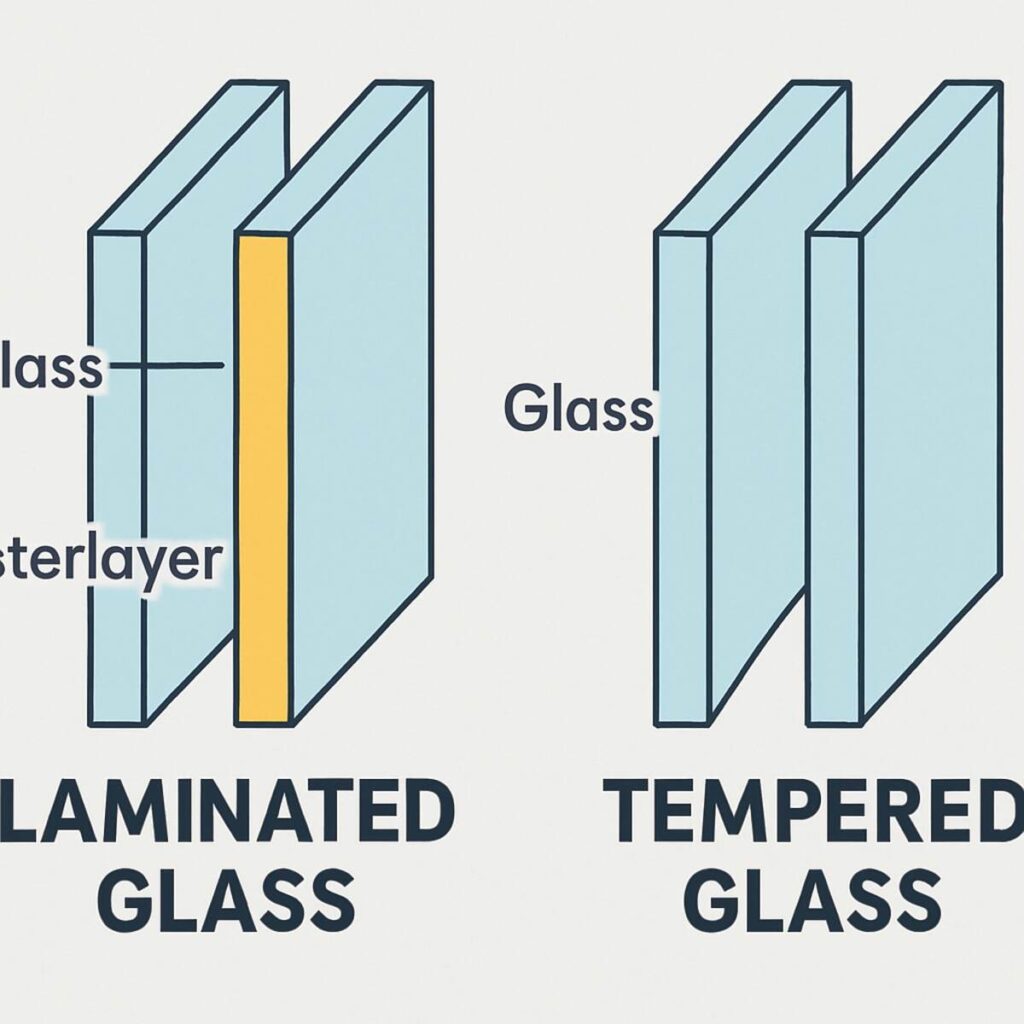
Laminated vs Tempered Car Window Glass
Your car utilizes two entirely different types of glass, each serving a specific safety purpose:
- Laminated Glass (The Windshield): Your windshield is made of laminated glass. This consists of two sheets of glass with a thin, flexible layer of Polyvinyl Butyral (PVB) plastic sandwiched between them. Under immense heat and pressure, these three layers are fused together. When a rock strikes a windshield, the outer layer of glass may break, but the plastic interlayer holds the shattered pieces in place. This prevents shards from flying into the cabin and keeps the windshield intact to protect occupants from outside elements.
- Tempered Glass (Side and Rear Windows): The side windows, rear windshield, and sunroof are typically made from tempered glass. This glass is rapidly heated and then instantly cooled during the manufacturing process, making it up to five times stronger than standard glass. However, when tempered glass breaks, it does not crack; it completely shatters into thousands of small, blunt, pebble-like pieces. This design ensures that in the event of a side-impact collision, passengers are not subjected to dangerous, jagged shards of glass.
Understanding the difference between laminated vs tempered car window glass is the first step in diagnosing your glass issue. Because side windows shatter completely, they cannot be repaired—they must be replaced. Windshields, on the other hand, can often be saved if the damage is caught early.
Common Types of Windshield Damage
Road debris can cause various types of damage to your laminated windshield. Being able to identify the type of break can help you communicate effectively with an auto glass repair specialist.
- The Bullseye: A circular break with a distinct cone in the outer layer of the glass. It looks remarkably like a dartboard’s bullseye.
- The Star Break: A series of short cracks branching outward from the center point of impact.
- The Combination Break: As the name suggests, this is a mix of a bullseye and a star break, featuring both a crushed center and radiating cracks.
- The Half-Moon: Similar to a bullseye, but not a complete circle.
- Edge Cracks: Cracks that originate within two inches of the windshield’s edge. These are particularly dangerous as they compromise the seal and structural integrity of the glass much faster than center cracks.
The Hidden Dangers of Ignoring a Damaged Windshield
Many drivers view a small chip or crack as a mere cosmetic annoyance, pushing it to the bottom of their to-do list. However, the safety risks of driving with a cracked windshield are severe and potentially life-threatening.
1. Loss of Structural Integrity
In modern vehicles, the windshield is a critical structural component. In the event of a rollover accident, the windshield provides up to 45% of the structural support for the vehicle’s cabin, preventing the roof from caving in on the occupants. A cracked windshield has already lost its structural integrity and is far more likely to fail under the pressure of a rollover.
2. Airbag Deployment Failure
The passenger-side airbag relies on the windshield to function correctly. When deployed, the airbag shoots upward, bouncing off the inside of the windshield to cushion the passenger. If the windshield is compromised by a large crack, the explosive force of the airbag can blow the windshield entirely out of the frame, rendering the airbag useless and leaving the passenger unprotected.
3. Compromised Visibility and Glare
Cracks and chips refract light unpredictably. The glare from a setting California sun or the headlights of oncoming traffic can suddenly blind a driver if the light hits a spider crack just right.
4. Legal Ramifications
Because of these safety concerns, law enforcement takes driving with obstructed vision seriously. California vehicle glass safety standards dictate that drivers cannot operate a vehicle if their vision is impaired by windshield damage. A crack in the driver’s direct line of sight can easily result in a fix-it ticket or a hefty fine.
Weather and Windshields: The Heat Factor
San Mateo enjoys relatively mild weather, but the Bay Area’s microclimates mean your car can go from a foggy, cool 55 degrees in the morning to a baking 85 degrees in the afternoon. Glass naturally expands in the heat and contracts in the cold. When your windshield has a chip, this constant expansion and contraction puts immense stress on the weak point.
Preventing Windshield Cracks from Spreading in Heat
If you have a chip and cannot get it fixed immediately, you must manage its exposure to temperature fluctuations. Here are actionable tips for preventing windshield cracks from spreading in heat:
- Park in the Shade: Keep your vehicle out of direct sunlight whenever possible. If you must park in the sun, use a reflective sunshade on the inside of the windshield to deflect heat away from the glass.
- Gradual Cooling: When you get into a hot car, do not instantly blast the air conditioning onto the “defrost” setting targeting the windshield. The sudden blast of cold air on hot glass causes thermal shock, which will almost certainly cause a small star chip to instantly spider out into a massive, unrepairable crack. Roll down the windows to let the hot air escape and cool the cabin gradually.
- Avoid Slamming Doors: The change in cabin pressure from slamming a heavy car door can be the final straw that pushes a small chip to crack across the entire pane. Roll a window down slightly before closing doors to reduce internal pressure.
Ultimately, these are temporary measures. The only guaranteed way to prevent a chip from spreading is professional repair.
Repairing Rock Chip vs Replacing Entire Windshield
When faced with windshield damage, the most common question is whether the glass can be saved or if a total windshield replacement is necessary. Making the right call between repairing rock chip vs replacing entire windshield comes down to size, depth, and location.
When Can You Repair?
A professional technician can usually repair a windshield if:
- The chip is smaller than a quarter (roughly 1 inch in diameter).
- A crack is shorter than 3 inches long.
- The damage has only penetrated the outer layer of glass and has not reached the PVB plastic interlayer or the inner glass layer.
- The damage is not in the driver’s direct line of sight. (Repairs often leave a slight visual distortion, which can be distracting if directly in front of the steering wheel).
- The damage is not on the outer edges of the windshield.
The Windshield Resin Injection Process Explained
If your glass qualifies for a repair, the process is fascinating, fast, and highly effective. Here is a step-by-step look at the windshield resin injection process:
- Cleaning and Preparation: The technician cleans the impact area, removing loose shards of glass, dirt, and moisture from the crater.
- Vacuum Sealing: A specialized tool—often a bridge or an injector—is mounted directly over the chip using a suction cup. The tool creates a vacuum, sucking all the trapped air out of the microscopic cracks. If air is left inside, the repair will fail.
- Resin Injection: Once the air is removed, a high-quality, optically clear acrylic resin is injected into the void under pressure. The pressure forces the liquid resin into every tiny crevice of the star break or bullseye.
- UV Curing: The technician removes the injector tool and applies a thin curing film over the wet resin. An ultraviolet (UV) light is then placed over the area. The UV rays trigger a chemical reaction in the resin, hardening it until it is as strong as the original glass.
- Polishing: Finally, the excess cured resin is scraped off so it sits perfectly flush with the glass surface, and the area is polished to restore clarity.
The entire process usually takes less than 30 minutes. When done correctly, a resin repair restores 100% of the structural integrity of the windshield and improves clarity by about 80% to 90%.
When is Replacement Mandatory?
If the crack is longer than a dollar bill, reaches the edges of the glass, penetrates both layers, or sits directly in the driver’s line of sight, windshield replacement is the only safe option. Driving with compromised glass is never worth the risk to your safety.
The Convenience Factor: Mobile Auto Glass Services
In the past, getting your windshield fixed meant dropping your car off at a shop, arranging a ride to work, and waiting all day. Today, the industry has evolved. For residents of San Mateo County, opting for a mobile windshield replacement Peninsula service is the gold standard for convenience.
How Mobile Service Works
Mobile auto glass fleets are essentially fully-equipped repair shops on wheels. Whether you are parked in your driveway in the San Mateo Highlands, sitting in the parking lot of your office building in Foster City, or grabbing groceries downtown, a technician can come directly to you.
When searching for auto glass repair san mateo, you will find that mobile services can handle both resin injections for small chips and full windshield replacements right on the spot.
San Mateo Mobile Technician Response Time
In an area as busy as the Peninsula, time is money. Fortunately, the San Mateo mobile technician response time is incredibly competitive. Because there is a high concentration of mobile glass fleets servicing the Bay Area, you can often secure a same-day or next-day appointment.
For simple rock chip repairs, a technician can usually be dispatched within a few hours of your call. For full replacements, response time depends heavily on the make and model of your vehicle and the availability of the specific glass required. However, top-tier local providers keep extensive inventory in regional warehouses, allowing for incredibly rapid turnaround times.
Replacing Side and Rear Windows
While windshields get the most attention due to rock chips, side and rear windows are frequently victims of break-ins, accidents, or errant baseballs.
Because side windows are made of tempered glass, they shatter instantly upon impact. This leaves your vehicle completely exposed to the elements, theft, and vandalism. Leaving a window broken overnight in the Bay Area is highly risky, making same-day side window glass replacement a top priority.
The Side Window Replacement Process
Replacing a side window is slightly more involved than replacing a windshield because the glass is housed within the door panel and connected to mechanical or electrical window regulators.
- Cleanup: The technician will thoroughly vacuum the interior of the car, the seats, and the inside of the door panel to remove all shattered tempered glass.
- Dismantling: The interior door panel is carefully removed to access the window track and regulator mechanism.
- Installation: The new tempered glass pane is inserted, aligned with the tracks, and bolted into the regulator.
- Testing: The technician tests the power window motor to ensure the glass rolls up and down smoothly without catching or straining.
- Reassembly: The door panel, weather stripping, and interior trims are replaced, leaving the car looking exactly as it did before the break-in.
Navigating the Costs: Insurance vs Out-of-Pocket
The financial aspect of auto glass repair can be a major source of anxiety for drivers. Understanding the costs and how your insurance plays a role can save you a significant amount of money and stress.
Filing a Comprehensive Insurance Claim for Glass
If you carry comprehensive coverage on your auto insurance policy, you are in luck. Comprehensive insurance covers damage that occurs outside of a collision (e.g., falling branches, vandalism, and flying gravel).
When filing a comprehensive insurance claim for glass, many drivers worry that their premiums will skyrocket. Fortunately, most insurance providers consider windshield rock chips a “no-fault” claim. Because fixing a chip is significantly cheaper than replacing an entire windshield, many major insurance companies will completely waive your deductible if you opt for a repair instead of a replacement. This means you can get a rock chip fixed for absolutely zero out-of-pocket cost.
If you require a full windshield replacement, you will typically need to pay your comprehensive deductible (usually between $100 and $500), and the insurance company will cover the rest. A reputable San Mateo auto glass shop will usually have dedicated insurance liaisons who can file the claim for you directly, saving you from navigating the automated phone trees of your insurance provider.
Cost to Fix Chipped Windshield Without Insurance
If you only carry liability insurance or simply prefer not to involve your insurance company, out-of-pocket costs for minor repairs are highly manageable.
The average price for mobile chip repair in the Bay Area generally ranges from $75 to $150 for the first chip, with additional chips on the same windshield costing a fraction of that (often $15 to $30 each). Considering that a new windshield can cost upwards of $1,000, paying out-of-pocket for a timely chip repair is an incredibly smart investment.
The Cost of Full Replacement Without Insurance
If you are paying out of pocket for a full replacement, costs vary wildly based on your vehicle. A basic windshield for a 2010 Honda Civic might cost around $250 to $350. However, if you drive a luxury vehicle, a modern EV, or an SUV equipped with heads-up displays (HUD), rain sensors, and advanced safety cameras, that replacement cost can easily surge between $800 and $2,000+.
Quality Matters: OEM vs Aftermarket Auto Glass
When replacing a windshield, you will encounter two primary categories of glass. Understanding the difference between OEM vs aftermarket auto glass quality is vital to ensuring you get exactly what you pay for.
OEM (Original Equipment Manufacturer) Glass
OEM glass is fabricated by the exact same manufacturer that made the original glass for your car when it rolled off the assembly line (e.g., Pilkington, PGW, Carlite).
- Pros: It matches the exact specifications, thickness, tint, and acoustic properties of your original glass. It will feature the automaker’s logo stamped on the corner. It guarantees a perfect fit and flawless integration with modern safety sensors.
- Cons: It is significantly more expensive. Furthermore, if you are going through insurance, many providers will not cover OEM glass for vehicles older than one or two years unless you have a specific OEM endorsement on your policy.
OEE (Original Equipment Equivalent) / Aftermarket Glass
Aftermarket glass is made by companies that do not hold the contract with the vehicle manufacturer.
- Pros: It is much more budget-friendly. Most aftermarket glass is perfectly safe and meets all federal Department of Transportation (DOT) standards.
- Cons: Because aftermarket companies cannot legally duplicate the exact proprietary patents of the OEM glass, there may be microscopic variations in thickness or curvature. In the past, this was rarely an issue. However, with modern vehicles heavily reliant on cameras mounted to the windshield, even a one-millimeter variation in aftermarket glass curvature can distort a camera’s view.
The Verdict: If you drive an older vehicle without complex electronics mounted to the glass, high-quality aftermarket glass from a reputable installer is usually fine. If you drive a newer car with advanced safety systems, rain sensors, or a heads-up display, it is highly recommended to insist on OEM glass to prevent technical glitches.
Modern Vehicle Technology: ADAS and Auto Glass
The most dramatic shift in the auto glass industry over the last decade has been the introduction of Advanced Driver Assistance Systems (ADAS). If your car features Lane Departure Warnings, Automatic Emergency Braking, Adaptive Cruise Control, or Pedestrian Detection, you have ADAS.
These systems rely heavily on a forward-facing camera mounted directly to the inside of your windshield, usually just behind the rearview mirror.
ADAS Camera Recalibration After Glass Installation
When a windshield is replaced, that delicate camera must be disconnected, removed, and then remounted onto the new glass. Even the most highly skilled technician cannot place the camera back in the exact microscopic position it was in before. A misalignment of just one millimeter at the camera can translate to a 50-foot error down the road.
If the camera thinks the lane lines are two feet to the left of where they actually are, your Lane Keeping Assist might aggressively steer you into oncoming traffic. This is why ADAS camera recalibration after glass installation is an absolute, non-negotiable safety requirement.
How Recalibration Works
There are two types of recalibration, depending on your vehicle’s make and model:
- Static Recalibration: This requires the vehicle to be parked in a controlled, perfectly level environment. The technician uses lasers and highly sophisticated computers to align large geometric targets in front of the car, forcing the camera to reset to its precise factory zero-point.
- Dynamic Recalibration: The technician plugs a diagnostic computer into the car’s OBD-II port and drives the vehicle on a well-marked highway at specific speeds. The system recalibrates itself by observing the real-world lane lines and road markers.
Because recalibration requires expensive computer equipment, highly specific conditions, and specialized training, it adds significantly to the time and cost of a windshield replacement. However, failing to recalibrate is incredibly dangerous. Always ask your auto glass provider in San Mateo if their quotes include full ADAS recalibration.
Aftercare: Protecting Your New Investment
Getting your new windshield installed is only part of the process. The immediate hours following the installation are critical to ensuring the seal cures properly.
The Role of Auto Glass Urethane
Windshields are held in place by a heavy-duty automotive urethane adhesive. This is not just glue; it is a structural bonding agent designed to hold a 30-pound piece of glass in place during a 60 MPH collision or a rollover event. Urethane requires time, specific temperatures, and humidity to cure properly.
How Long to Wait After Windshield Replacement
Every reputable technician will calculate the “Safe Drive Away Time” (SDAT) based on the specific brand of urethane used, the current temperature in San Mateo, and the humidity levels.
So, how long to wait after windshield replacement? Generally, you must wait a minimum of 1 to 2 hours before driving the vehicle. If you drive before the urethane has achieved a safe bond, the vibrations of the road or the pressure from the wind can cause the glass to shift. This compromises the seal, leading to massive wind noise, water leaks, and a total loss of structural safety in a crash.
Post-Installation Care Rules (The First 48 Hours)
To protect your new windshield while the urethane fully cures over the following days, adhere to these strict rules:
- Keep the Tape On: The technician may use retention tape to hold the glass firmly in place while the urethane sets. Leave this tape on for at least 24 hours. Removing it early can shift the glass.
- Avoid High-Pressure Car Washes: Do not take your car through a commercial car wash for at least 48 to 72 hours. The high-pressure water jets and heavy scrubbing brushes can easily break the fresh urethane seal. If you must wash your car, use a gentle hand wash.
- Leave a Window Cracked: Just as with spreading cracks, cabin pressure is your enemy here. When you shut a car door with all the windows rolled up, the sudden spike in air pressure pushes outward against the new windshield. Roll a window down an inch to let the air escape when shutting doors for the first two days.
- Avoid Potholes and Bumpy Roads: Avoid rough roads, speed bumps taken at high speeds, and aggressive driving. Excessive chassis flex can stress the curing adhesive.
Why Choose Local San Mateo Auto Glass Experts?
While national chains exist, there are distinct advantages to choosing local specialists for auto glass repair in San Mateo, CA.
Local technicians intimately understand the driving conditions of the Peninsula. They know the exact types of road debris kicked up on the San Mateo Bridge, they understand how coastal fog and inland heat affect urethane curing times, and they can navigate local traffic to provide exceptional mobile windshield replacement Peninsula services.
Furthermore, local businesses thrive on community reputation. They are more likely to spend the time answering your questions, helping you navigate your specific insurance policies, and ensuring your ADAS systems are calibrated with meticulous care.
Frequently Asked Questions (FAQ)
To wrap up this comprehensive guide, let’s address some of the most common questions San Mateo drivers have regarding auto glass.
Q: Will an auto glass repair make the chip completely invisible?
A: No. A resin repair is a structural fix, not a cosmetic one. The goal is to prevent the crack from spreading and restore the integrity of the glass. While the windshield resin injection process typically improves the visual clarity by 80% to 90%, a small blemish, resembling a tiny water spot or bug smudge, will likely remain.
Q: Can I repair a windshield myself with a DIY kit from an auto parts store?
A: While DIY kits are available, they are highly discouraged. Professional tools create a vacuum to remove air before injecting commercial-grade resin. DIY kits lack this vacuum ability, often trapping air bubbles inside the crack. This results in a weak repair that is highly likely to fail. Furthermore, once a DIY repair is attempted and cures, a professional cannot fix it. If the DIY job fails, your only option is a full windshield replacement.
Q: Does my car insurance rate go up if I file a glass claim?
A: In most cases, no. Under comprehensive coverage, auto glass damage is considered an “Act of God” or a no-fault incident. However, if you file multiple comprehensive claims in a short period, your insurance provider may review your policy.
Q: What happens if it rains during a mobile replacement?
A: Urethane adhesives actually cure faster in humid environments, but they cannot be applied to wet surfaces. If it is raining heavily in San Mateo, a mobile technician will either need to complete the work inside your garage, set up a specialized mobile canopy, or reschedule the appointment for safety.
Q: Is it illegal to drive with a cracked windshield in California?
A: Yes, under California vehicle glass safety standards (Vehicle Code 26710), it is unlawful to operate a motor vehicle when the windshield or rear window is in a defective condition that impairs the driver’s vision. If a police officer deems the crack a safety hazard, they can issue a citation.
Conclusion
Your vehicle’s glass is a vital safety shield protecting you from the elements, the road, and the unthinkable in the event of an accident. Whether it’s a tiny rock chip picked up on El Camino Real or a shattered side window that requires immediate attention, dealing with auto glass damage promptly is a responsibility every driver must take seriously.
By understanding the differences between laminated and tempered glass, knowing when to choose repair over replacement, and recognizing the critical importance of ADAS recalibration and proper curing times, you are empowered to make the best decisions for your vehicle.
Don’t wait for a tiny blemish to turn into a massive, expensive web of shattered glass. If you notice damage, utilize the incredible convenience of local auto glass repair in San Mateo, CA. With lightning-fast mobile response times, expert technicians, and seamless insurance handling, keeping your vision clear and your car safe has never been easier. Keep your eyes on the road, and let the professionals handle the glass.
