


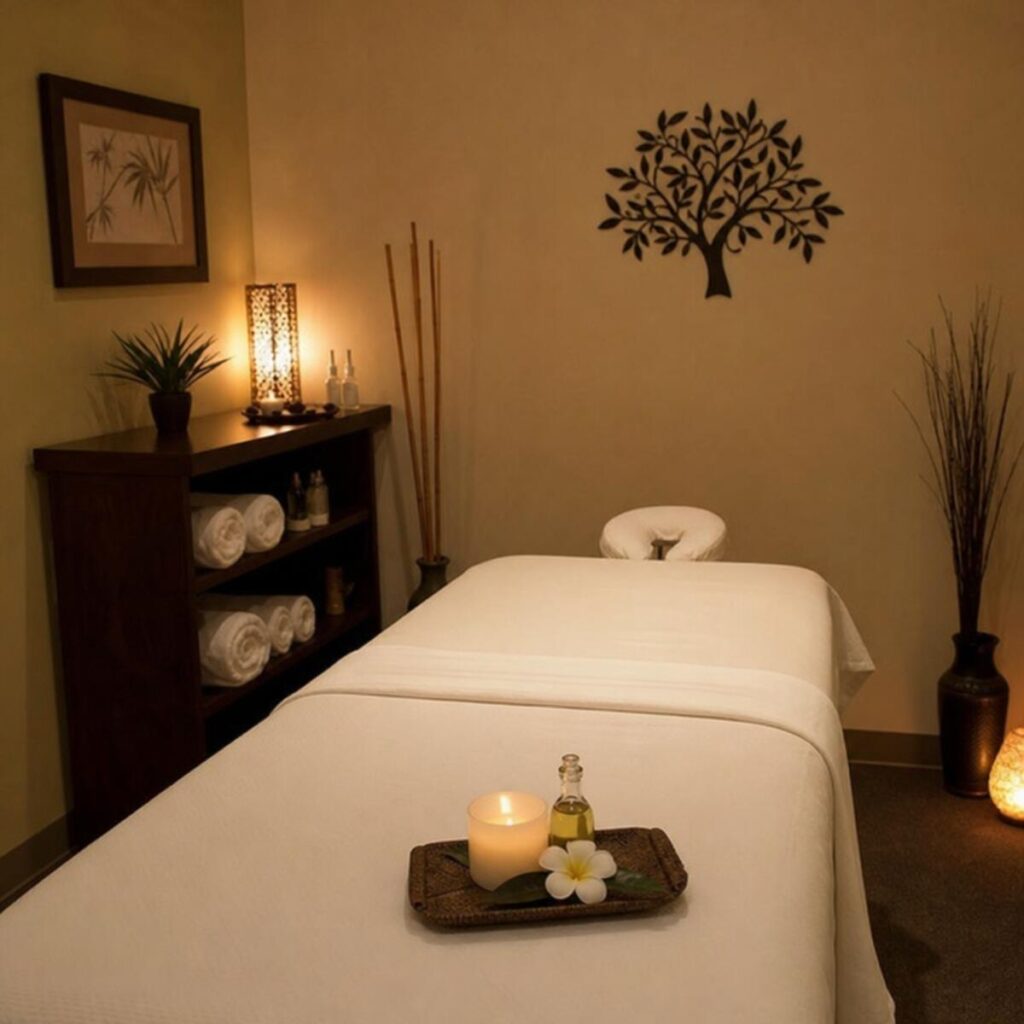
Incheon massage therapy can offer a chance to relax, ease muscle tension, and take a comfortable break from a busy day. Research supports some benefits, especially relaxation and certain forms of short-term pain relief, but results vary and massage is not a cure for an underlying condition. This article explains the practical benefits, how to compare an Incheon spa, and what to check before arranging massage in Incheon Airport. Obtain the Best information about 인천출장마사지.
The most useful approach is simple: start with what you want from the appointment, choose a suitable service, and make sure the setting, pressure, and schedule work for you.
What are the main benefits of Incheon massage therapy?
The main potential benefits of Incheon massage therapy are relaxation, reduced muscle tension, and temporary relief from some types of discomfort. The location adds a practical consideration: you can look for an appointment that fits a city stay, an ordinary weekly routine, or an airport visit. However, a treatment’s suitability depends on your health, the practitioner’s training, and the actual service—not its location or marketing name.
Before comparing menus, choose one main goal. “I want a quiet relaxation session” gives a provider a clearer starting point than “I need everything fixed.” If discomfort is your concern, describe where it is and how it affects you rather than trying to diagnose it yourself.
Use these priorities to narrow your search:
- Relaxation: Ask about gentle pressure, room privacy, and a quiet session.
- A specific area of tension: Explain the area and ask whether focused treatment is appropriate.
- Limited time: Confirm the treatment length and the full visit length.
- A first appointment: Choose a service that includes time for questions and adjustments.
A dedicated break from daily stress
Massage may help support relaxation and reduce stress. That does not mean every session will leave you feeling completely different, or that massage replaces treatment for an anxiety disorder. It is better understood as one possible part of a broader approach to well-being.
For booking purposes, think about the conditions that would make a break genuinely restful. You might prefer little conversation, no background music, or a room without a strong fragrance. Someone else might feel more comfortable with an explanation before each part of the treatment.
Tell the provider what matters before the appointment. A simple request such as “I’d like a quiet session, but please check whether the pressure is comfortable” leaves little room for confusion.
Also, protect the time around the visit. If you finish an appointment and immediately rush to a meeting or train, the experience may not match the break you had in mind. Consider leaving a little space afterward rather than filling every available minute.
The practical benefit is not a promise of lasting calm. It is the opportunity to set aside a defined period in which you do not need to work, navigate, shop, or keep checking the next task.
Help with muscle tension and stiffness
Massage may ease muscle stiffness and tension. Different techniques use different amounts of pressure, so the useful question is not simply whether a treatment is “strong.” It is whether the approach suits your needs and remains comfortable.
When speaking with a practitioner, be specific about your experience. For example, say “My shoulders feel tight when I sit at my desk” rather than asking them to “correct my posture.” The first statement describes something you notice; the second assumes a cause and an outcome that have not been established.
Try preparing three details:
- Location: Point to the area rather than relying only on a broad term like “back.”
- Pattern: Explain when you tend to notice the discomfort.
- Preference: Say whether you want gentle relaxation or a discussion about focused work.
You do not need technical language. Clear everyday descriptions give the practitioner something useful to discuss with you.
Avoid treating the appointment as a test of how much pressure you can tolerate. If your main goal is a comfortable break, make that the priority. A treatment does not become a better choice merely because it sounds more intensive on the menu.
Possible short-term relief from some pain
Massage may help some people with neck or shoulder pain, but benefits may be short-lived. Evidence for low-back pain is limited, and research does not establish massage as a reliable solution for every painful condition. These limits matter when deciding what a session is worth to you.
Set a modest, observable goal instead of expecting a complete fix. You might want to see whether you feel more comfortable sitting through dinner or whether the treated area feels less tense afterward. These are personal observations, not proof that the cause has been treated.
Keep any assessment simple. Before the appointment, write one sentence about your concern. Later, note whether it improved, stayed the same, or became worse. Also record anything you disliked, such as pressure that felt excessive or a position that was uncomfortable.
This gives you a more useful basis for future decisions than judging the treatment by how dramatic it felt. An intense session is not automatically an effective one.
If pain persists, worsens, or needs a diagnosis, arrange medical care rather than repeatedly booking massages in the hope that the problem will disappear. Massage should not delay assessment of a medical concern.
A rest period within a busy travel schedule
For a traveler, an appointment can serve a practical purpose: a planned pause between other commitments. The value may come partly from the service and partly from choosing not to fill the same period with more errands or sightseeing.
Consider what you actually need before booking. If your priority is sleep, look at rest options first. If you want to wash and change, check shower access. If you specifically want hands-on massage, confirm that the business offers it rather than assuming any spa admission includes treatment.
Build your plan around the whole visit. Include finding the entrance, checking in, putting belongings away, changing if needed, paying, and reaching your next destination. The treatment itself is only one part of that schedule.
For example, you could choose a nearby appointment after checking into your accommodation rather than trying to squeeze it into an uncertain arrival window. Alternatively, leave the decision until you know how much time you have.
There is no need to turn massage into another travel obligation. If getting there requires a complicated detour, a simpler break may fit your day better. Convenience is useful only when it reduces effort rather than adding more of it.
An appointment shaped around your preferences
A worthwhile massage appointment should include discussion of the techniques, expected sensations, and your comfort. Therapeutic massage can focus on a particular concern rather than following exactly the same routine for everyone. Communication remains important throughout treatment.
Use that discussion to explain what you want included and what you want left out. You might request more attention to the shoulders, no foot treatment, or no assisted stretching. Ask whether the provider can accommodate those requests before paying.
Preferences can also involve the setting. Consider whether you want a private room, a clothed service, or an appointment without scented products. Do not assume that the cheapest and most expensive options differ in ways that matter to you; ask about the actual service.
If you are comparing appointments for two people, discuss each person’s preferences separately. Sharing a booking does not mean both people need the same pressure, treatment areas, or session length.
The practical benefit of personalization is straightforward: you can spend your time on the experience you intended to book. That requires a provider who listens and a clear conversation, not an elaborate treatment name or a long list of optional extras.
A clearer understanding of your comfort preferences
An appointment can also help you learn what you prefer in a massage service. Treat this as practical information about your experience, not as a way to diagnose your body. You may discover that you prefer a shorter focused session, gentler pressure, or more support while lying down.
Afterward, ask yourself what made the visit comfortable or uncomfortable. Was the room quiet enough? Did you understand what would happen? Could you ask for changes without feeling awkward? These details are useful when choosing any future appointment.
Make a brief note with three headings:
- Keep: Features you would choose again, such as clear explanations or a fragrance-free product.
- Change: Preferences to state earlier, such as lighter pressure or less conversation.
- Clarify: Anything you did not understand about the service or bill.
You do not need to turn this into a detailed wellness diary. A few lines are enough.
This approach also helps prevent repeat bookings based only on habit. If you could not identify anything useful about a visit, reconsider the service before committing to a package. A pleasant-looking venue is not, by itself, a reason to keep returning.
Keep the expected benefits realistic
Research on massage varies by condition, and some reported benefits last only a short time. That makes it important to separate a reasonable wellness goal from a medical promise. Feeling relaxed after an appointment is different from demonstrating that an injury or chronic condition has been treated.
When reading an Incheon massage listing, look for a clear description of the service rather than a dramatic outcome. Useful information includes the treatment areas, session length, techniques, practitioner background, and circumstances in which the provider recommends medical advice.
Treat guaranteed results as a reason to ask more questions. For example, if a description promises to eliminate all pain, ask what that statement means and what evidence supports it. You should not need to accept a broad health claim to book a relaxation appointment.
It also helps to separate immediate impressions from your longer-term decision. You can enjoy one session without deciding that you need regular treatment. Equally, one disappointing appointment does not tell you whether every form of massage would feel the same.
Choose the smallest commitment that answers your current question. An initial appointment gives you a chance to evaluate communication, comfort, and value before considering anything further.
Which massage style should you choose?
Choose a massage style by matching the actual techniques and pressure to your goal, rather than relying on the treatment name alone. Swedish massage generally uses flowing strokes and kneading, while other approaches may involve focused pressure or assisted movement. Ask the provider to explain what its particular service includes.
You do not need to know the full menu before making an inquiry. Start by explaining your preferences, health considerations, and available time. Then ask which option fits those requirements and why.
Gentle relaxation massage
If you mainly want a quiet break, ask about a gentle relaxation service. Confirm whether it is full-body or focused, whether oils are used, and whether you remain clothed. These questions describe the experience more clearly than asking for the “best” massage.
You can also ask how pressure is checked during the appointment. For a first visit, an agreed check-in makes it easier to request a change. If the provider cannot explain what happens during the service, consider another option before booking.
Focused or deeper-pressure massage
A deeper-pressure service deserves a conversation about suitability, especially if you have a health condition or an injury. Vigorous massage has been associated with rare serious adverse effects, and it is not appropriate for everyone. Stronger pressure should not be treated as a universal upgrade.
Ask which areas the practitioner plans to work on and what sensations you should expect. Explain any previous experience you disliked. If your goal is simply relaxation, do not feel obliged to select a deeper treatment because it sounds more thorough.
Foot, seated, and other focused services
For a limited appointment, consider asking whether a focused service would suit your goal. Confirm exactly which areas are included: a “foot” treatment, for example, may have a different scope from what you imagine. Ask whether the service involves products, equipment, or clothing changes.
Compare focused and full-body options using your priorities, not just the number of minutes. If only one area interests you, a full-body booking may include time you would rather use differently. However, leave decisions about painful or medically concerning areas to an appropriate healthcare professional.
Services that include scent, heat, or stretching
If a menu mentions aromatherapy, heated items, or assisted stretching, ask what those additions involve. You can prefer a simpler session without needing to justify it. Describe any allergies, sensitivities, injuries, or concerns before agreeing to extras. Discuss relevant health issues with your healthcare team when needed.
Do not assume an added feature is necessary to receive value from the appointment. Ask whether it is optional, whether it changes the price, and whether a suitable alternative is available. Choose based on comfort and suitability rather than the length of the treatment description.
How to compare an Incheon spa before booking
Start by comparing the details that determine whether you can use and enjoy the service. A polished photo gallery may help you picture a venue, but it cannot answer questions about access, treatment scope, or practitioner experience. Make a short list and ask the same core questions of each provider.
Check the practitioner and treatment information
Ask about the practitioner’s training and experience, particularly if you are booking because of a specific physical concern. NCCIH recommends asking prospective massage therapists about their credentials and discussing whether massage is appropriate for you. Do not assume a credential mentioned in another country applies locally.
Keep the question practical: “What experience do you have with clients seeking gentle massage for this area?” is easier to assess than “Are you the best?” Also clarify whether the business provides a wellness service or healthcare treatment. Those are not interchangeable expectations.
Confirm privacy, products, and communication
Ask whether the room is private or shared, how clothing and coverings are handled, and whether you can request a particular practitioner preference. If you need step-free access, help with positioning, or space for belongings, confirm those arrangements before traveling to the venue.
Check that you can communicate during treatment. If you and the practitioner do not share a fluent language, prepare a short written list of requests and agree on a clear stop signal. Do not rely on being able to explain a complicated concern for the first time halfway through the session.
Use reviews to generate questions
Treat reviews as prompts for further checking, not proof of a medical outcome. A comment about a quiet room may be relevant to your relaxation goal. A claim that one appointment cured a condition should not become your expectation.
Look for details that matter to your visit: whether appointments began as arranged, whether the service was explained, and whether reviewers understood the price. If a concern appears important, ask the business directly. Your decision should rest on information you can clarify, not a rating alone.
Get the total price and conditions
Before paying, request a clear breakdown of the appointment. You do not need an invented “typical Incheon price” to compare value; you need to know what each quoted price actually buys.
Confirm the following:
- The treatment length and whether changing or consultation time is included.
- The areas and techniques covered by the booking.
- Any charges for products, upgrades, facility use, or additional time.
- The accepted payment methods and currency.
- The cancellation, lateness, and refund conditions.
- Whether taxes or other mandatory charges are already included.
Ask about packages only after deciding whether you want the initial service. A discount is not useful if it commits you to appointments you cannot attend or do not need. For a visitor, expiry dates and refund terms deserve particular attention.
Can you get a massage in Incheon Airport during a layover?
Incheon Airport’s official facilities directory lists BODY CARE locations in Terminal 2 near Gates 231 and 268 on the fourth floor. Whether an airport appointment works for you depends on your terminal, access to the facility, available services, opening hours, and connection schedule. Confirm those details directly before making the treatment part of your layover plan.
The important distinction is between finding a listing and being able to use it. A facility may look convenient on a map but still require access checks or more walking time than you intended. Plan around your actual flight arrangements rather than a general recommendation.
Separate massage services from spa admission
Do not assume that every airport spa is a massage business. The operator of SPA at Home in Terminal 2 describes sauna and sleeping facilities, including shared sleeping areas rather than private hotel-style rooms. Its facilities should therefore be assessed separately from a hands-on massage appointment.
Before choosing either type of service, decide what you want to do. If your goal is massage, ask specifically whether a practitioner-delivered treatment is offered. If you want somewhere to wash or rest, ask about those facilities and their admission rules instead.
Also distinguish a massage chair from a practitioner-led service when reading descriptions. Ask what is included rather than relying on the word “massage.” This avoids paying for access that does not provide the experience you intended.
Check access before considering the schedule
Ask the airport or provider to confirm the exact terminal, floor, and access area for the facility. Explain whether you are arriving, departing, or transferring, and where you expect to be when you use it. If access would involve entering South Korea, check the entry requirements relevant to your nationality and journey before making plans.
Do not treat a short distance on a map as enough information. Ask what route you can actually use and whether your travel documents and flight arrangements allow access. Any uncertainty about immigration, security, or transfers should be resolved before you commit to the appointment.
A useful inquiry is: “I am transferring through Terminal 2 and will remain in the transit area. Can I reach your location without leaving that area?” Adapt the wording to your itinerary and request a clear answer.
Work backward from boarding
Use your boarding requirements—not merely your departure time—as the starting point. Then allow for the journey from the facility, any checks required, and time to collect your belongings. Ask your airline or airport staff if you are unsure about the connection process.
Only consider an appointment after setting that return time. A slot that uses nearly all the available gap leaves little room for delays, finding the entrance, or an unexpected queue. If the timing feels tight, skip the booking rather than relying on everything going perfectly.
You can use this planning sequence:
- Confirm the next flight’s terminal, gate information, and boarding requirements.
- Establish whether the facility is accessible on your route.
- Check the expected wait and full visit length.
- Set a firm latest finishing time.
- Leave additional space for uncertainty.
Verify availability on the day
Check current opening information and contact the provider before walking over. Ask whether the service you want is available, whether an appointment is needed, and how long the wait is expected to be. Keep a simpler backup plan in case the timing no longer works.
For example, SPA at Home’s Terminal 2 operator states that it does not take reservations and may refuse entry when full. That is a reason not to treat admission as guaranteed. Other airport services may have different arrangements, so check each one separately.
Prepare for your appointment in a few simple steps
Preparation does not need to become a project. Focus on accurate information, a manageable schedule, and a clear description of what you want. Keep health-related questions separate from ordinary preferences so neither gets lost in the conversation.
- Write down your main goal. Use one sentence, such as “I want a gentle relaxation session with attention to my shoulders.” Add any areas you do not want treated.
- Share relevant health information. Tell the practitioner about medical conditions, medications, allergies, recent surgery, injuries, and any implanted or attached medical devices. Ask your healthcare team about suitability when necessary.
- Confirm the booking details. Save the location, appointment time, service description, quoted total, and contact method. Check that the branch and terminal, if relevant, are correct.
- Ask about clothing and belongings. Find out whether clothing changes are needed and what storage is available. Bring only what you need rather than assuming there will be room for large bags.
- Allow time for a conversation. Avoid planning to arrive at the exact moment hands-on treatment should start. Ask the provider when you should arrive and follow that guidance.
If language may be a barrier, prepare a short note in advance. Keep it literal: “Light pressure,” “No stretching,” and “Please avoid this area” are clearer than a long explanation full of idioms. Use translation support for preferences, but seek qualified help for complex medical decisions.
Finally, give yourself permission to change plans. If you feel unwell, develop a new concern, or cannot reach the appointment comfortably, contact the provider. Keeping a booking should not take priority over your health or travel requirements.
Make comfort and consent part of the session
You should be able to discuss pressure, positioning, and technique throughout a massage. Severe pain is not an expected requirement, and asking for lighter pressure is appropriate. Explain discomfort promptly rather than waiting until the appointment is over.
Before the treatment begins, confirm how you can pause it. This is especially useful if you expect to remain quiet or if communication takes extra effort. A practitioner should not need to guess whether silence means comfort.
Keep your requests direct:
- “Please use lighter pressure.”
- “I don’t want that area treated.”
- “Can you explain what you are going to do?”
- “I need to change position.”
- “Please stop the treatment.”
You can change your mind about an agreed technique. Agreeing to a massage does not mean agreeing to every possible addition. If something differs from the service you booked, ask for an explanation before continuing.
The same principle applies to privacy. If you are uncomfortable with clothing instructions, coverings, or the room arrangement, speak up before treatment starts. You do not need to continue simply because you have already checked in.
At the end, give specific feedback if you wish. “The pressure on my shoulders was comfortable, but I would prefer less on my legs” is more useful than a general “fine.” It helps clarify your preferences without exaggerating either the benefits or the problems.
Assess the visit before booking again
After the appointment, allow yourself time to get dressed, check your belongings, and understand the bill. For an airport visit, return your attention to the flight schedule before considering any extra services. Avoid extending the session merely because an upgrade is offered.
Later, compare the experience with the goal you wrote down. Did you get a quiet break? Was the pressure appropriate? Was the service clearly explained? Separate those questions from whether the venue looked impressive.
If you are considering another appointment, use a short review:
- Comfort: Were your requests heard and respected?
- Usefulness: Did the visit provide something you actually valued?
- Clarity: Did the treatment and final charge match the explanation?
- Practicality: Was the location and time commitment manageable?
There is no need to decide on a long-term schedule immediately. You may prefer occasional appointments, a different style, or no repeat booking at all. Let your own experience guide that decision rather than an assumed rule about how often everyone needs massage.
If you develop concerning symptoms or your discomfort worsens, seek medical advice instead of treating another appointment as the automatic next step.
Know when massage is not the right next step
Massage is generally considered low risk when appropriately provided, but some health conditions require precautions or medical advice. Blood-thinning medicines, blood clots, osteoporosis, tumors, recent injuries or surgery, and certain pregnancy-related concerns can affect suitability. Discuss your circumstances before booking rather than asking a spa receptionist to make a medical judgment.
This deserves particular attention around long journeys. CDC advises travelers to recognize possible blood-clot symptoms, including unexplained swelling, pain or tenderness, warmth, and skin discoloration in a leg or arm. These symptoms need medical assessment, not a routine massage appointment.
Difficulty breathing, chest pain, coughing up blood, or fainting can indicate a medical emergency and require immediate help. Do not wait for a booked treatment or assume the symptoms are simply travel fatigue.
You do not need to diagnose yourself to act cautiously. If something is new, severe, or worrying, explain it to a healthcare professional. The decision about massage can wait until the more important question—what is causing the problem—has been addressed.
Choose a service that fits your actual needs
The most useful Incheon massage appointment is one chosen for a clear reason, with realistic expectations and enough time to enjoy it. Start with your goal, compare the actual service, confirm the total cost, and make your preferences known.
For an Incheon spa visit, prioritize clear communication and comfort over elaborate promises. For an airport appointment, resolve access and timing first. A well-chosen session can be a worthwhile part of your day, but it should fit your plans—not complicate them.